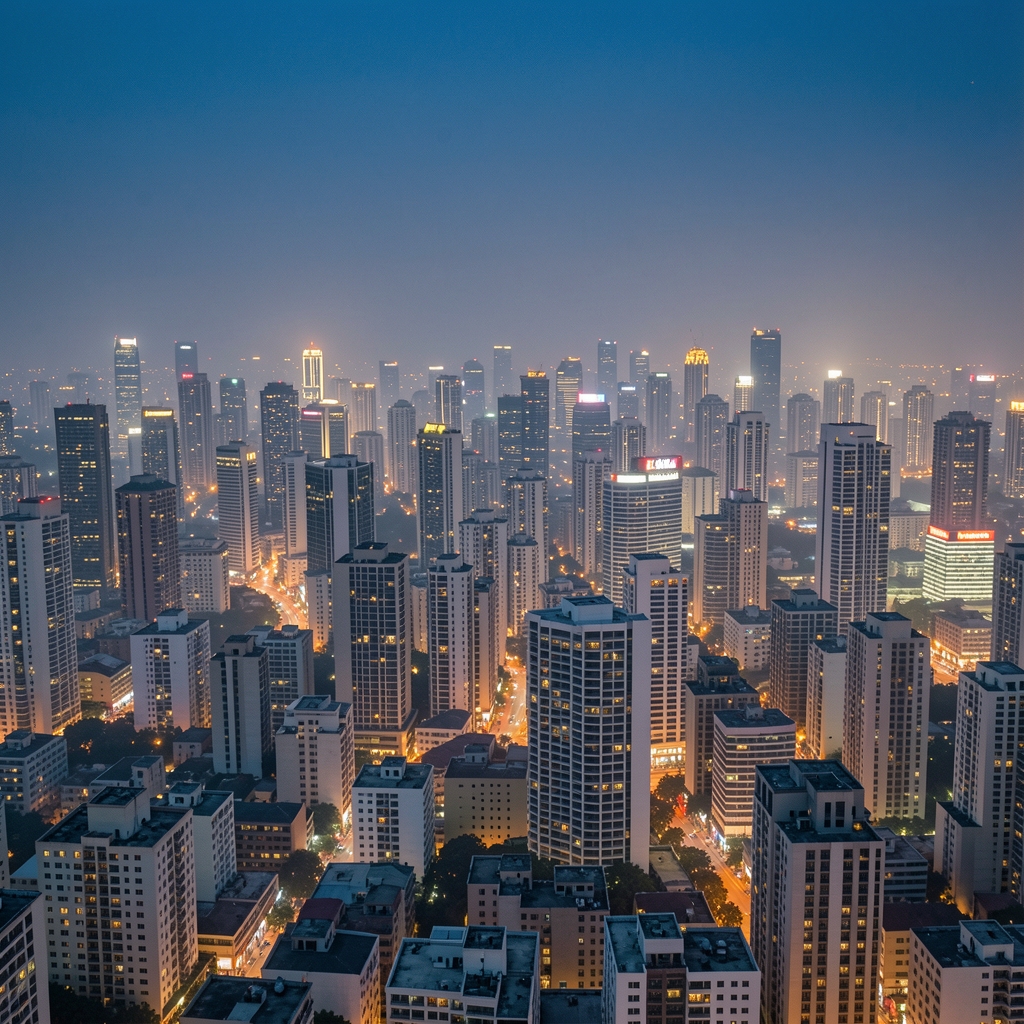
Setting the Scene: What We Mean by Environment
When discussions of male physiological well-being arise, the focus tends to land quickly on biology, genetics, or individual behavior. What receives considerably less structured attention is the surrounding environment — the physical space in which a person lives, works, and moves through time. Yet the evidence from geography, ecology, and behavioral biology consistently shows that environmental conditions exert a measurable and ongoing influence on physiological function.
For this article, environment is defined broadly: it encompasses urban density, air composition, light availability, acoustic conditions, proximity to natural spaces, seasonal variation, and the quality of the built environment. Each of these factors interacts with male physiology in documented, if sometimes subtle, ways.
"The body does not exist in isolation from its setting. Environmental inputs are continuous, and physiological systems are, in part, calibrated by the conditions they regularly encounter."
Air Quality and Physiological Function
Ambient air quality is among the most studied environmental variables in relation to general health. Particulate matter, nitrogen dioxide, ozone, and volatile organic compounds present in urban air are known to place an additional regulatory burden on respiratory and circulatory systems. Over extended periods, this burden can subtly alter the body's baseline efficiency.
Male physiology is not uniquely vulnerable to air quality degradation, but several studies examining occupational and residential exposure patterns suggest that cumulative inhalation of urban pollutants corresponds with measurable shifts in physiological markers over multi-year periods. These effects are generally more apparent in high-density urban environments and in contexts where outdoor activity is a regular part of daily life.
Urban Environment Considerations
- Higher particulate concentration in densely built areas
- Reduced access to green spaces for outdoor rest
- Elevated acoustic stress from traffic and industrial activity
- Artificial light extending beyond natural daylight cycles
- Temperature variation moderated by urban heat effects
Rural and Natural Environment Contrasts
- Lower baseline particulate exposure in most rural contexts
- Greater alignment with natural light-dark cycles
- Reduced ambient acoustic load in non-industrial settings
- Broader access to green and blue natural spaces
- Stronger seasonality in light availability and temperature
Light Exposure and Biological Timing
Light is among the most powerful environmental cues available to the human body. The circadian system — which governs the timing of sleep, hormonal release, core temperature, and numerous metabolic processes — is primarily synchronized through exposure to light, particularly the blue-wavelength light present in daylight.
In urban environments, exposure to artificial light during evening hours, combined with reduced access to bright natural light during the day, creates a pattern that many chronobiologists describe as circadian disruption. For men, this disruption has been studied in relation to shifts in the timing and regulation of physiological rhythms that are ordinarily tied to the light-dark cycle.
Seasonality adds another layer. In regions farther from the equator, the dramatic reduction in available daylight during winter months corresponds with well-documented shifts in mood, energy, and behavioral patterns. Indonesia, given its equatorial geography, experiences considerably less seasonal light variation than higher-latitude countries — a factor that shapes local physiological baselines differently from those observed in European or North American research populations.
The Significance of Natural Spaces
Research into what is sometimes called "nature exposure" has grown substantially over the past two decades. Studies examining the physiological effects of time spent in forested, coastal, or otherwise green environments consistently find associations with reduced markers of physiological stress and improved measures of autonomic balance.
These associations hold across a range of age groups and demographic backgrounds, suggesting a broadly applicable relationship between regular access to natural environments and general physiological regulation. For men living primarily in urban settings, deliberate access to parks, shorelines, or forested areas represents a contextual shift that several research groups have described as measurably consequential for physiological tone.
Seasonal Variation and Adaptive Patterns
Even in environments where seasonal contrast is moderate, the body exhibits seasonal patterns. These include shifts in activity propensity, sleep duration, dietary behavior, and, in some documented cases, hormonal cycling that parallels the annual light cycle. These patterns are not pathological — they represent a form of environmental adaptation that human physiology has maintained across evolutionary time.
Understanding seasonal variation in the context of male vitality is useful primarily as a framework: it helps contextualize why energy levels, motivational states, and physiological readings may shift across the year without representing a fundamental dysfunction. Recognizing environmental inputs as legitimate physiological variables reframes individual experience within a broader, ecological context.
Environmental Adaptation: A Key Concept
Adaptation, in a physiological sense, refers to the gradual adjustment of biological systems in response to sustained environmental conditions. This is not a short-term phenomenon — meaningful adaptive shifts typically develop over weeks, months, or years of consistent exposure. What this means in practice is that environments shape physiology slowly, and conversely, changes to environmental conditions produce gradual rather than immediate shifts in physiological baseline.
This temporal dimension is important for a realistic understanding of how environment connects to male vitality. The effects are not acute or dramatic in most cases; they are accumulative, directional, and contextual. Recognizing this pattern invites a longer-term perspective on how living conditions relate to physiological well-being — one that is free from the expectation of immediate cause-and-effect and attentive instead to the more gradual logic of environmental influence.
"Environmental conditions are not simply external to physiology — they are inputs to which the body is continuously and actively responding."
Summary
The environment plays a quiet but substantive role in shaping male physiological vitality. From air quality and light exposure to access to natural spaces and seasonal patterns, the physical context of daily life contributes measurably to physiological tone and function. These influences are not deterministic — individual variation is significant — but they represent a coherent and under-discussed dimension of the broader landscape of male well-being.